Kvmzen · Blog
Tech in practice
& trending picks
Hands-on notes on cloud Mac development, CI troubleshooting, and agent orchestration; new posts will be published here progressively.
If you maintain or review AI Agent Skills, use automation for repeatable checks within documented capabilities and human review for context, edge cases, and practical usability. This guide covers scoring rubrics, duplicate triage, outcome testing, and a decision process for combining both approaches.
Choosing an AI programming agent depends on how you work, where your code runs, and what your team permits—not on a universal ranking. This comparison covers workflows, coding tasks, integrations, operating conditions, cost, privacy, and a practical selection process.

This guide helps you decide whether your server is ready for a self-hosted Sure deployment and walks through setup, database checks, account security, and recovery testing. It distinguishes commands you can safely run from Sure-specific settings you must verify in the official documentation for the version you plan to deploy.
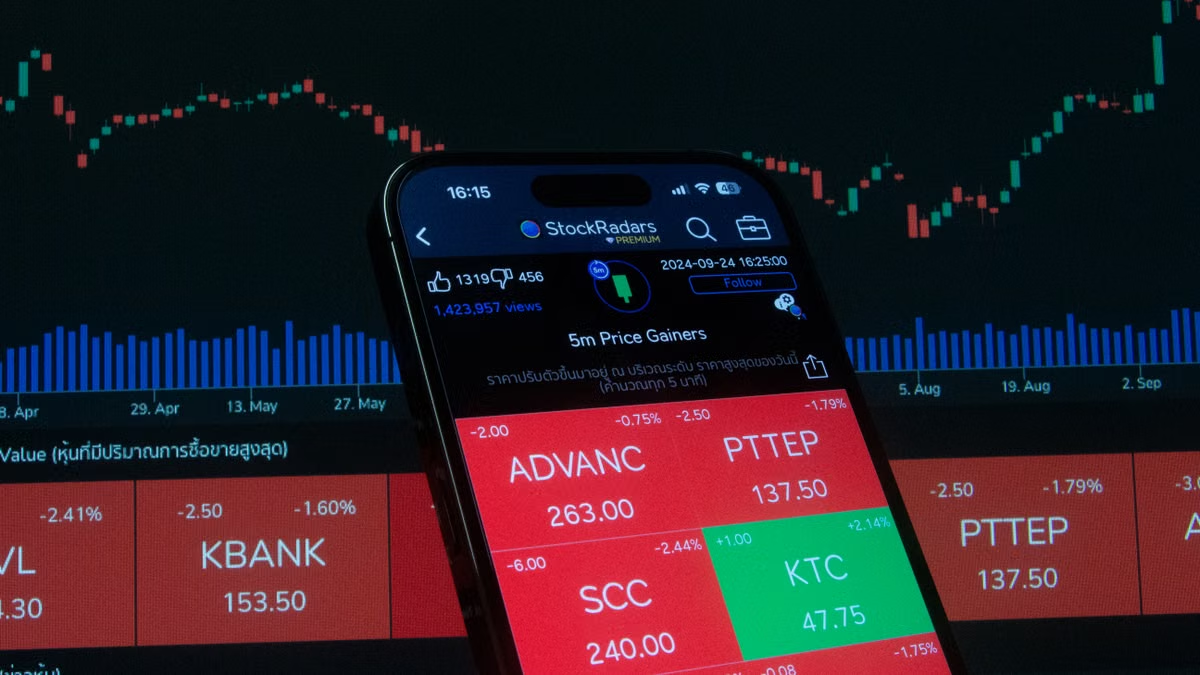
This guide is for investors and developers deciding whether Daily Stock Analysis can support their U.S. and A-share workflow. It explains how to verify project capabilities, configure data and AI services, test watchlists, schedule reports, and troubleshoot missing or stale results.
For design and engineering leads weighing Meta Astryx against an existing system, component count alone is not enough to justify a switch. This guide shows how to verify coverage, accessibility, theme fit, and migration effort through a representative-page pilot.

This analysis separates confirmed policy and Apple announcements from market speculation to explain what could move Mac prices after the U.S. midterm elections. It compares the conditions for price increases, stable pricing, or discounts, then gives you a purchase-timing checklist for urgent upgrades, planned replacements, and short-term computing needs.

If you want the iPad to show extra Mac windows, choose Sidecar; if you want to control two separate screens with one mouse and keyboard, choose Universal Control. This guide compares the workflows, walks through compatibility checks and setup, and gives you a troubleshooting sequence for connection and display-layout problems.
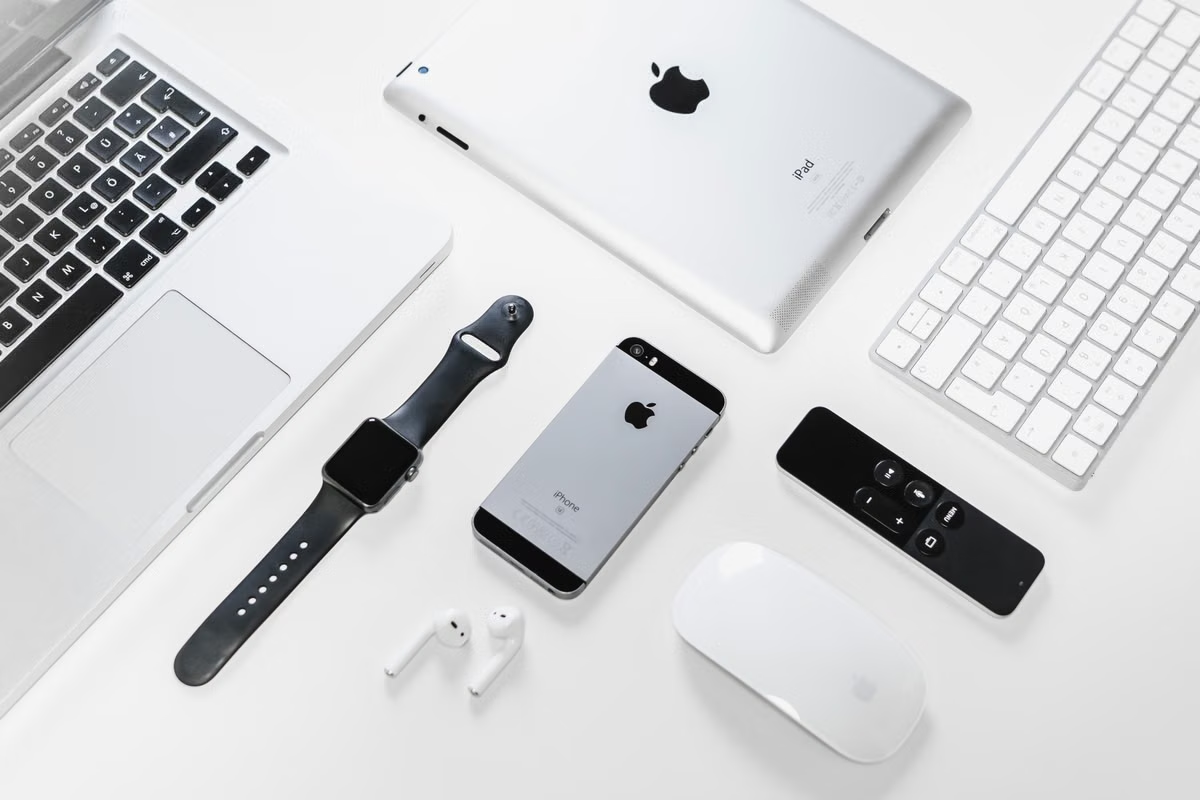
This guide explains how to sign in to the same Apple ID on Mac and iPhone, check which devices are linked, and distinguish account sign-in from iCloud syncing. It also gives you a safe account-switching checklist, a comparison of account options, and a sequence for troubleshooting missing data.

You do not need to install every popular Mac app on a new MacBook. This guide helps you choose tools for office work, browsing, file handling, development, and productivity, then install them from appropriate sources and check permissions.

List price / Refurbished / retailer deals / used curves: when MacBook, Mac mini, and iMac show verifiable gaps after launches—and whether to wait for new SKUs or buy the previous gen.

This guide helps you respond when a Mac goes missing: check its location, attempt a remote lock, and protect accounts linked to the device. It also explains when remote erase makes sense, what offline or unconfigured devices can prevent, and what to review before your next trip.
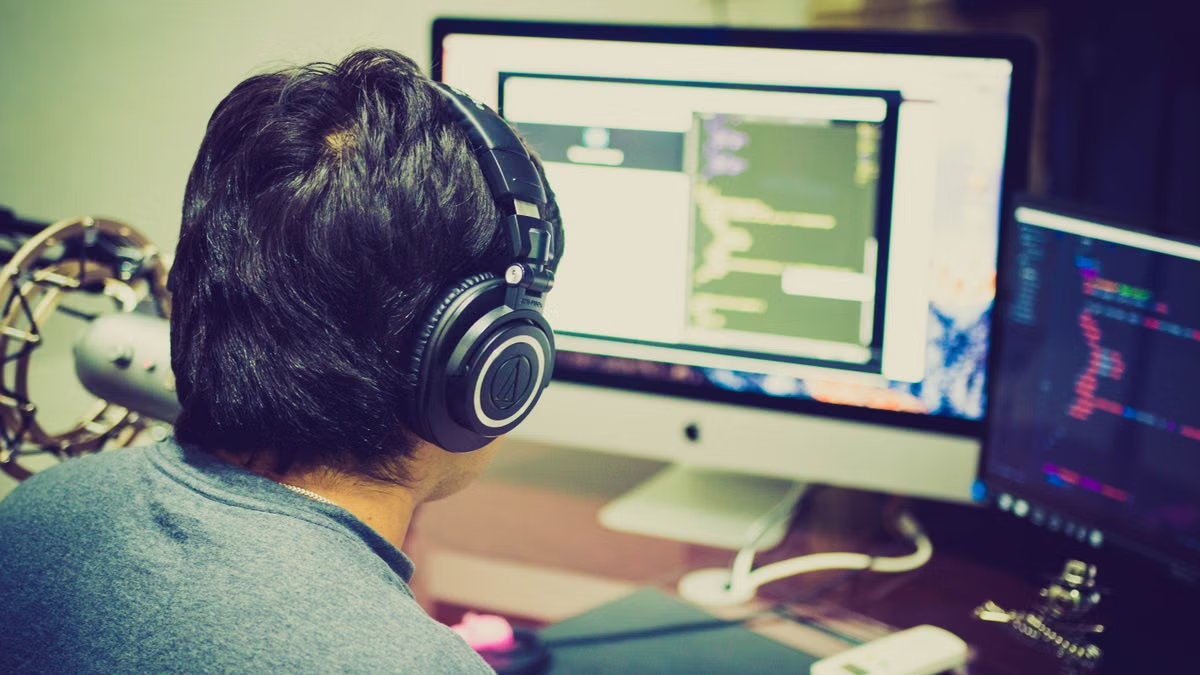
If you are choosing a Mac for iOS development, use your parallel workload—not a minimum requirement—as the basis for sizing memory. This guide compares single-simulator, Docker, and heavier parallel setups, then shows how to validate a configuration with real builds and system memory indicators.
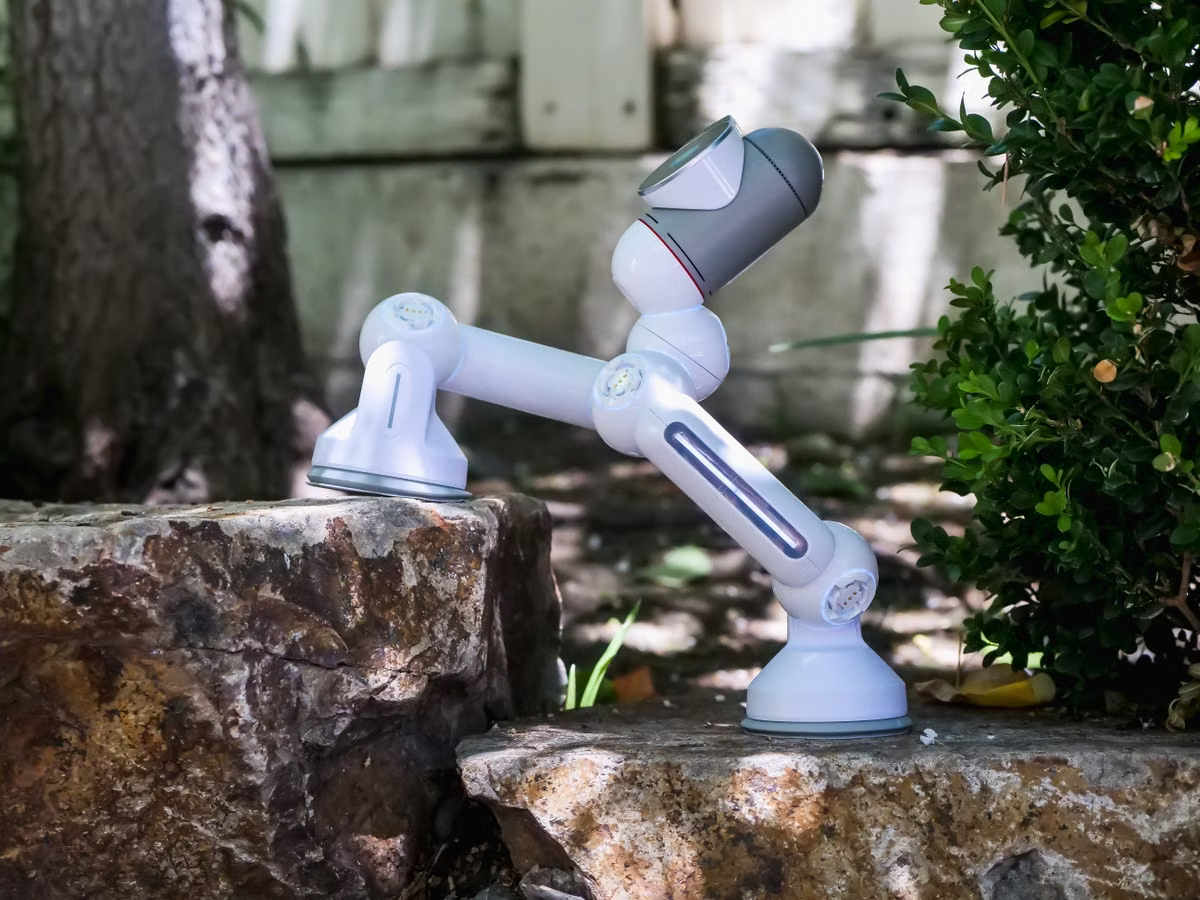
This guide helps shoppers assess AI PCs, smart hardware, and robots shown for CES 2027 without mistaking a demo or announcement for a product they can buy. It explains what to verify, how to compare devices by use case, and when waiting is the safer choice.
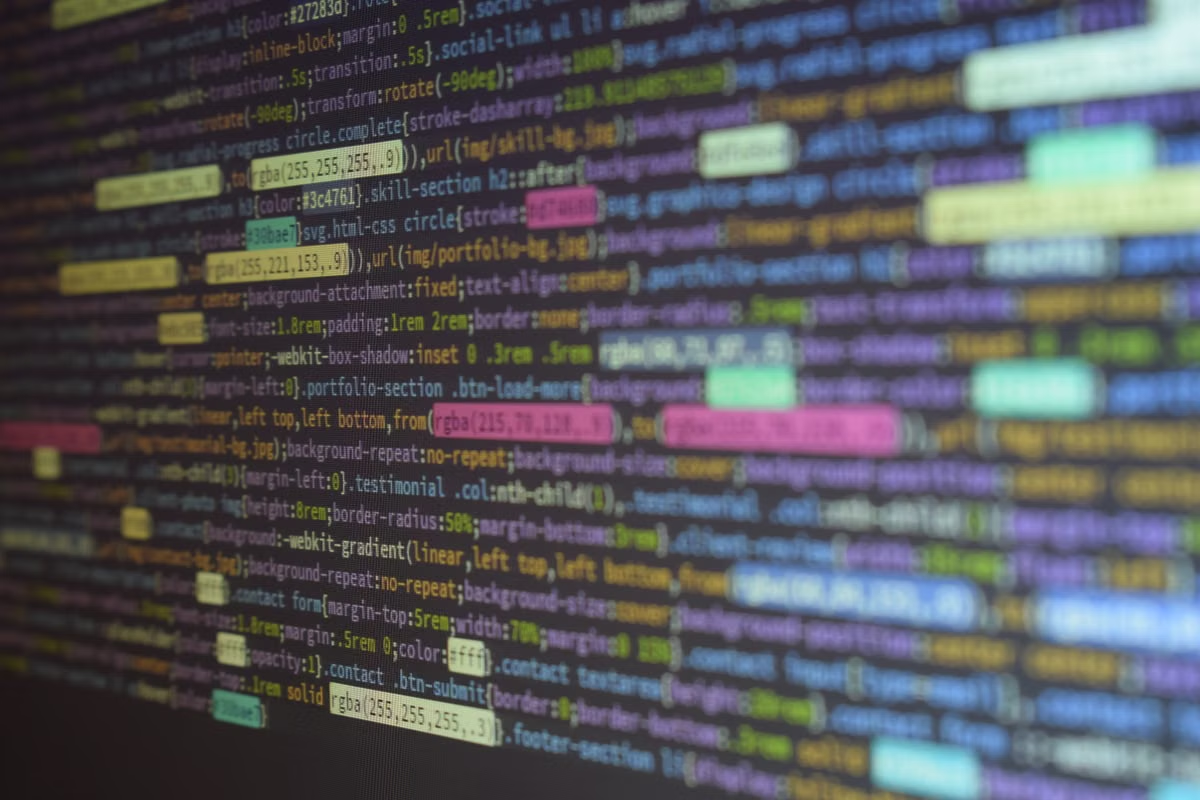
If you want AI coding help to run on your Mac, start by checking macOS compatibility and available resources, then install Ollama, run a suitable local model, and connect it through a VS Code extension. This guide walks you through the setup in order, offers a low-risk connection test, and helps you distinguish model, resource, and extension problems.

You can launch multiple iOS simulators from Xcode, but doing so adds resource load and does not guarantee faster builds. This guide shows how to set up repeatable tests, measure memory and build time separately, and decide whether your Mac or a remote Mac fits the workload.
There is no universal headcount for remote work on one Mac mini: the answer depends on session behavior, active workloads, hardware, and network conditions. This guide helps you define concurrency, run a repeatable resource test, and decide whether to keep sharing the machine, redistribute tasks, or assess remote Mac capacity.
VoiceStudio’s voice-cloning documentation describes an audio sample as a starting point, but that does not guarantee a finished voiceover from every recording. This guide covers recording preparation, a cautious workflow, listening checks, common limitations, and a checklist to help you decide whether to proceed, adjust, or record again.
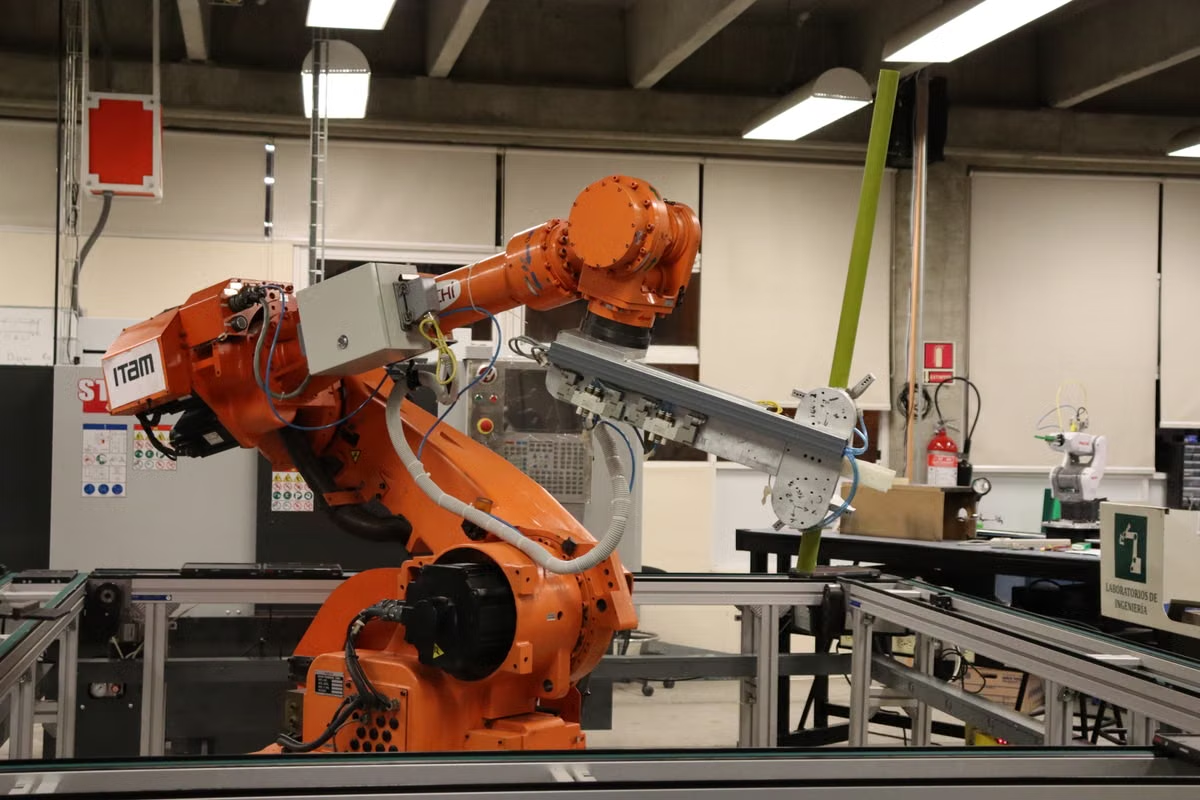
AI moving from computers to robots connects task planning, visual perception, and physical action. This guide compares home, service, and industrial scenarios, explains the control loop, and gives you a way to judge reliability, safety, and where human approval still belongs.

This guide shows creators how to structure an AI video workflow around planning, scripting, storyboarding, animation generation, and editing. It explains how to verify model availability, hand off prompts to a video tool, and check the finished clips before export.
Separate entry M6, OLED touch flagships, and current M5: what each upgrade changes for programmers and AI Coding users choosing by Xcode, agents, and lid-closed habits.
A practical breakdown of US phone plans for singles, couples, families, international students and frequent travelers: advertised price versus real bill, postpaid versus prepaid, taxes, network priority and pre-signup checks.
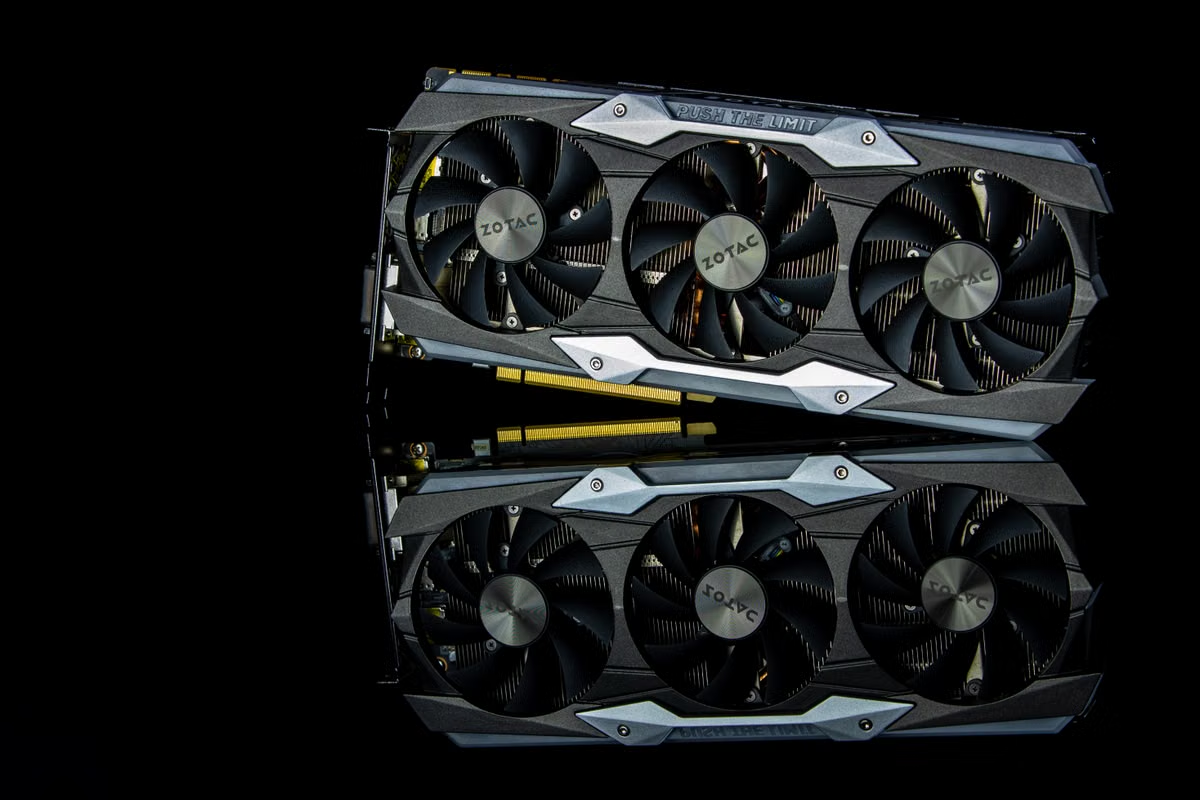
If your model bill is rising, start by finding which calls and billed items drive it. This guide explains when prompt optimization, dsh-purge, or local deployment can reduce spending, how to compare them against task quality and operating effort, and how to test a change before committing.

If you build alone, start with one coding agent and measure its end-to-end results. This guide compares OpenCode and Claude Code with Multi-Agent Coding as a workflow, then gives you a way to weigh parallel gains against usage, coordination, review, and deployment costs.

If you use coding agents or are evaluating software automation, this article explains the shift from code changes to actions inside applications. It distinguishes Claude Code’s documented workflow from the project-specific use of REA, then gives you task-selection criteria, failure boundaries, and deployment checks.
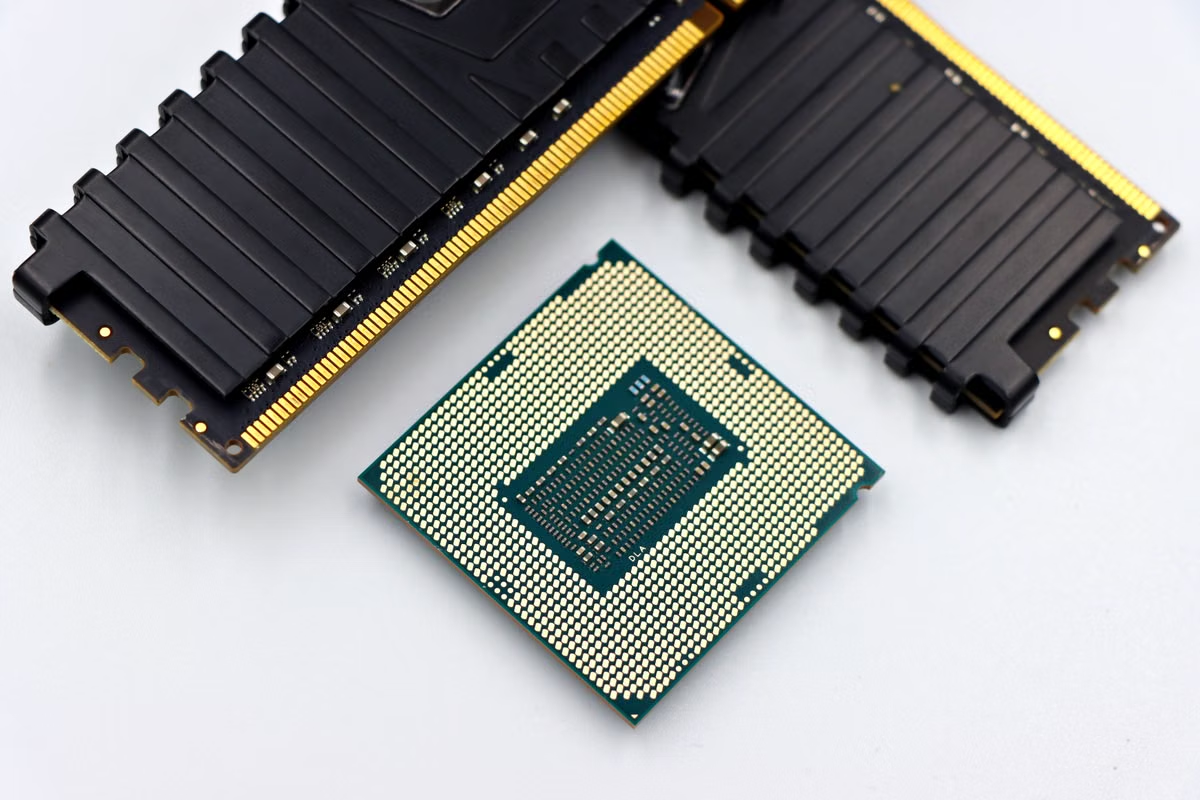
If you plan to run Xcode 27, Simulator, Claude Code, and local AI at the same time, choose 32GB when you can; 16GB is better suited to lighter parallel work or cloud AI. This guide explains how to compare memory pressure, swap, app responsiveness, and task results without treating unmeasured performance gains as fact.
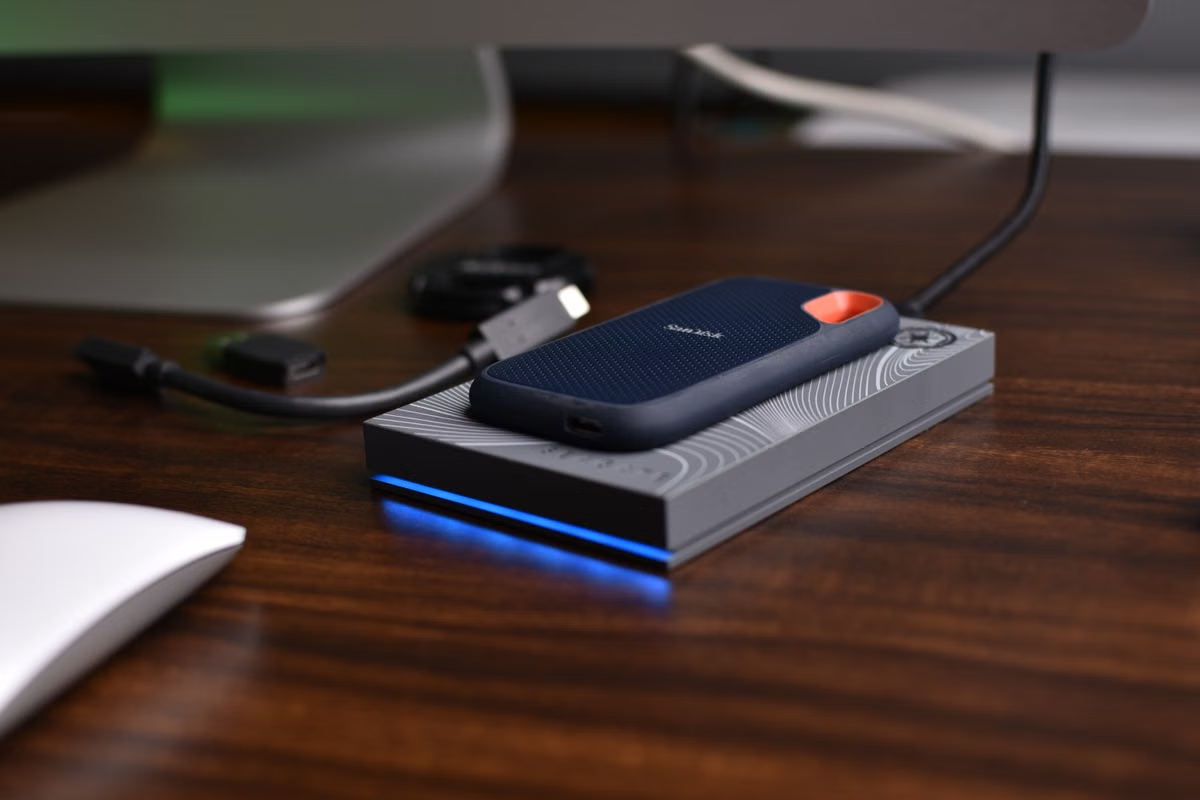
If you’re considering a Mac upgrade because of Xcode 27’s AI Agent features, verify the official requirements and measure your own project first. This guide shows how to track memory pressure, swap, and SSD use, then compare a local upgrade with a cloud Mac based on your actual workflow.
For programmers and engineering leads weighing how AI agents affect day-to-day work, the likely outcome is both less routine coding and more emphasis on engineering judgment. This article compares task types, separates measured results from forecasts, and offers a checklist for evaluating changes against official GitHub Universe 2026 information.

A daily total still has to be split into input and output before it becomes a 30-day bill. Catalog rates from 13 October 2026, one model ID per family, at 10k, 100k, and 1M tokens a day.
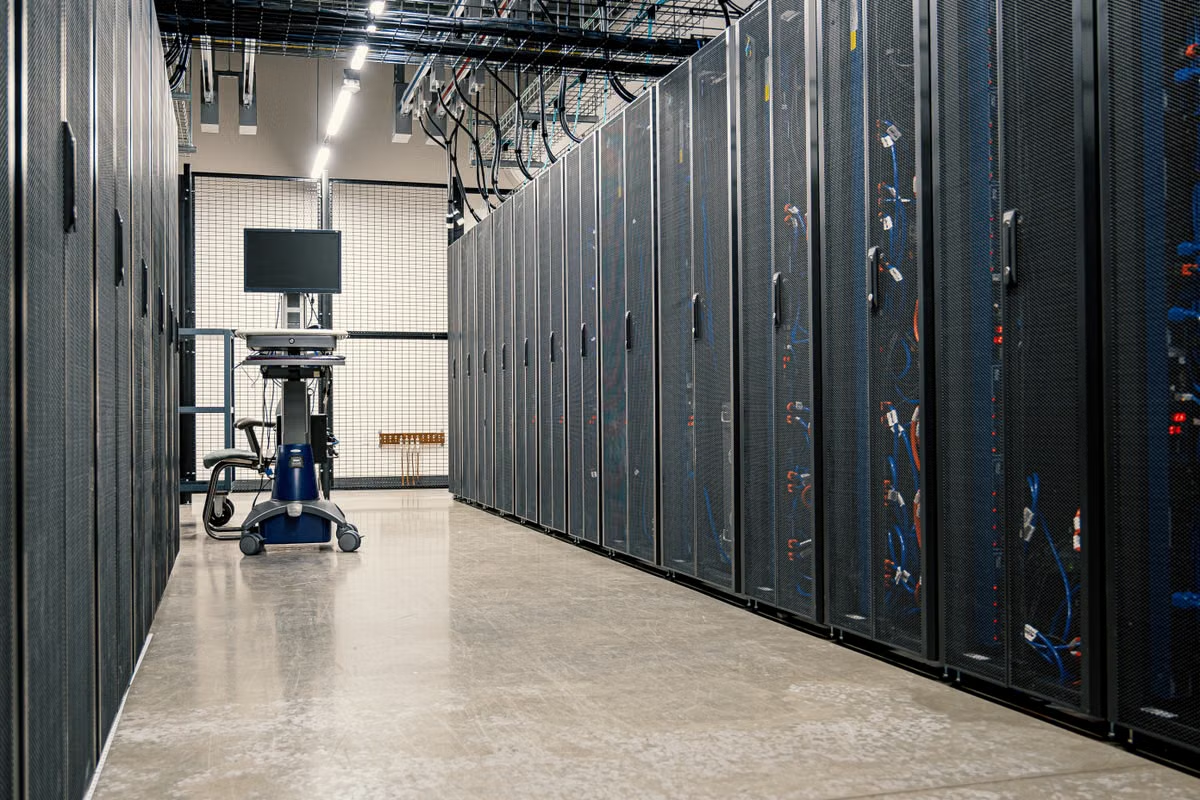
If you are moving a large model from a prototype to production, estimate GPU capacity from measured workload behavior—not parameter count alone. This guide takes you through offline validation, a low-traffic trial, and continuous service, then shows how to turn measured throughput and billing components into a cloud GPU cost estimate.

Claude Cowork’s move to cloud execution does not automatically remove the Mac from workflows that need local files or desktop tools. This guide separates cloud tasks from local access, explains the MCP boundary, and gives you a migration check for deciding whether a Mac must remain available.

If your developers already have stable Macs and mainly work interactively, keep Claude Code local. For distributed teams that need consistent project environments or remote handoffs, assess cloud access against your security and maintenance requirements. This guide compares team profiles, governance needs, hybrid workflows, and a pilot checklist.
If your agent handles a bounded task with simple state, begin with an auditable summary; consider external memory when facts must persist across stages, sessions, or preference changes. This guide maps that choice to application, business, research, and platform teams, then provides an evaluation sequence and decision branches.
For developers and IT teams deciding whether a new AI PC is ready for real work, this guide turns common development tasks into repeatable acceptance tests. It covers toolchains, builds, containers, local models, sustained loads, security checks, and how to record unresolved risks.
If you follow AWS re:Invent 2026, prepare a watchlist from your own architecture evidence instead of treating product rumors as purchasing guidance. This guide organizes the work by role, then shows how to verify announcements and decide what deserves a technical test.
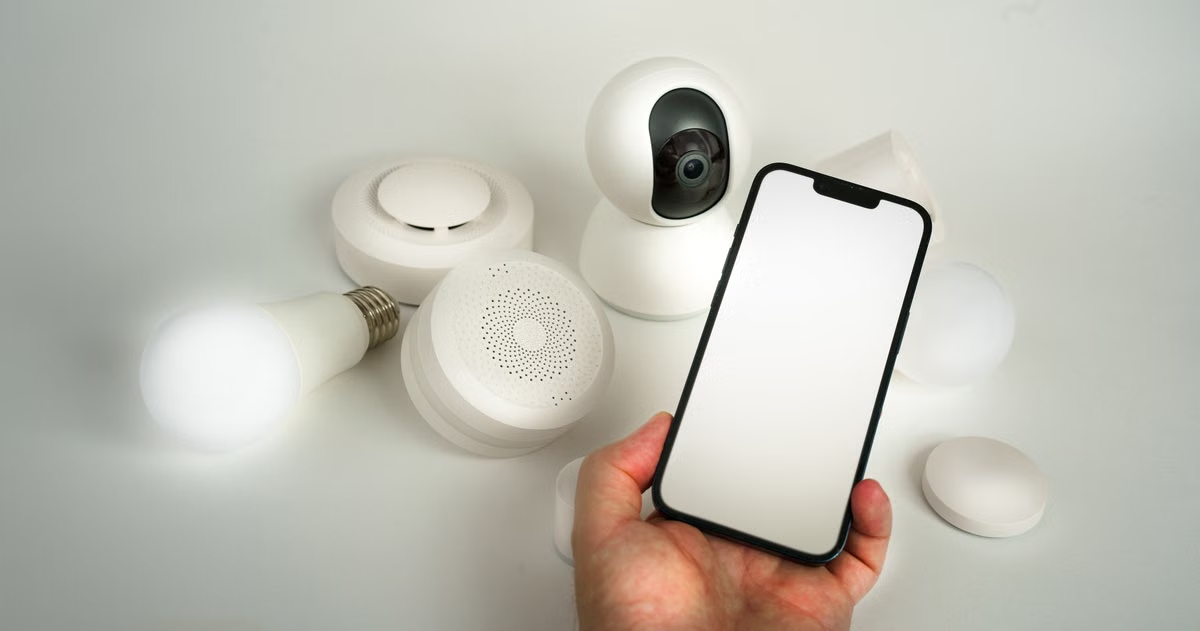
For QA teams, Matter accessory engineers, and smart home integrators, this guide maps Apple Home setup failures to the checks most likely to isolate them. Follow symptom-based steps, compare the relevant permission and network conditions, and preserve evidence before resetting or escalating.
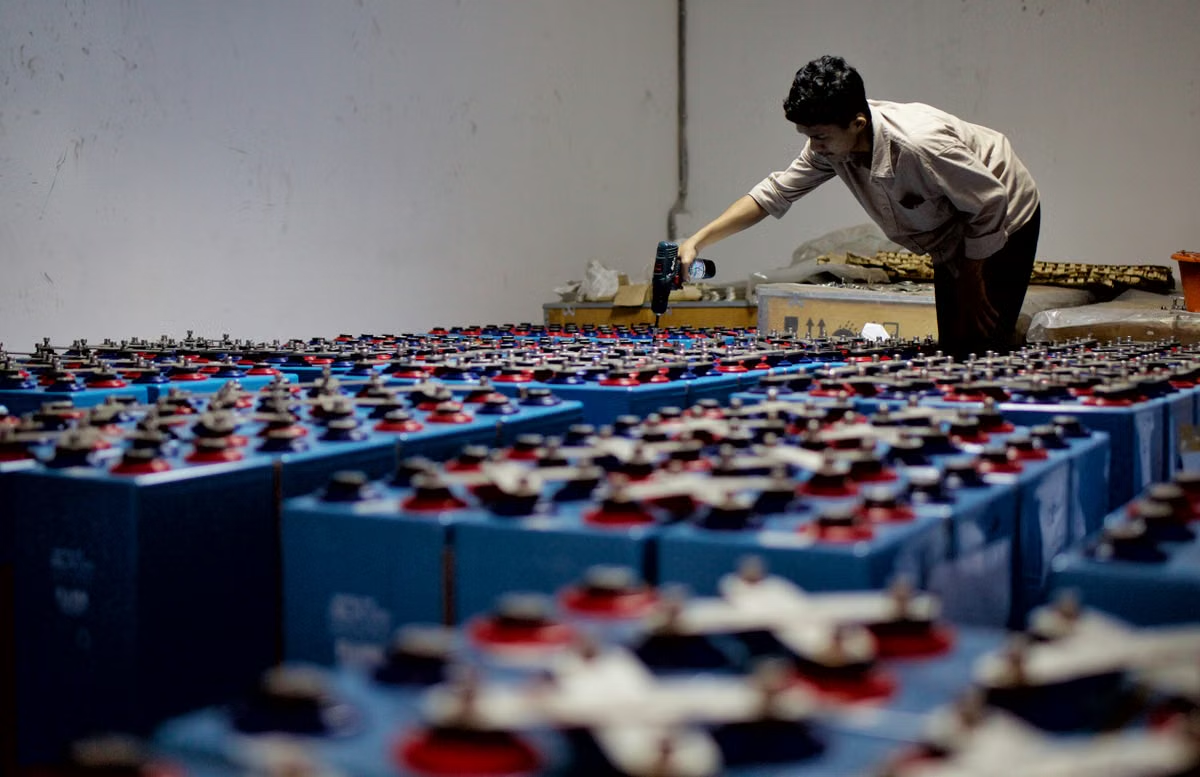
Project owners, EPC teams, integrators, and procurement staff need evidence they can enforce—not product claims alone. This guide follows the procurement timeline from supplier inquiry and contract drafting to design review, delivery, site acceptance, and post-commissioning performance checks.
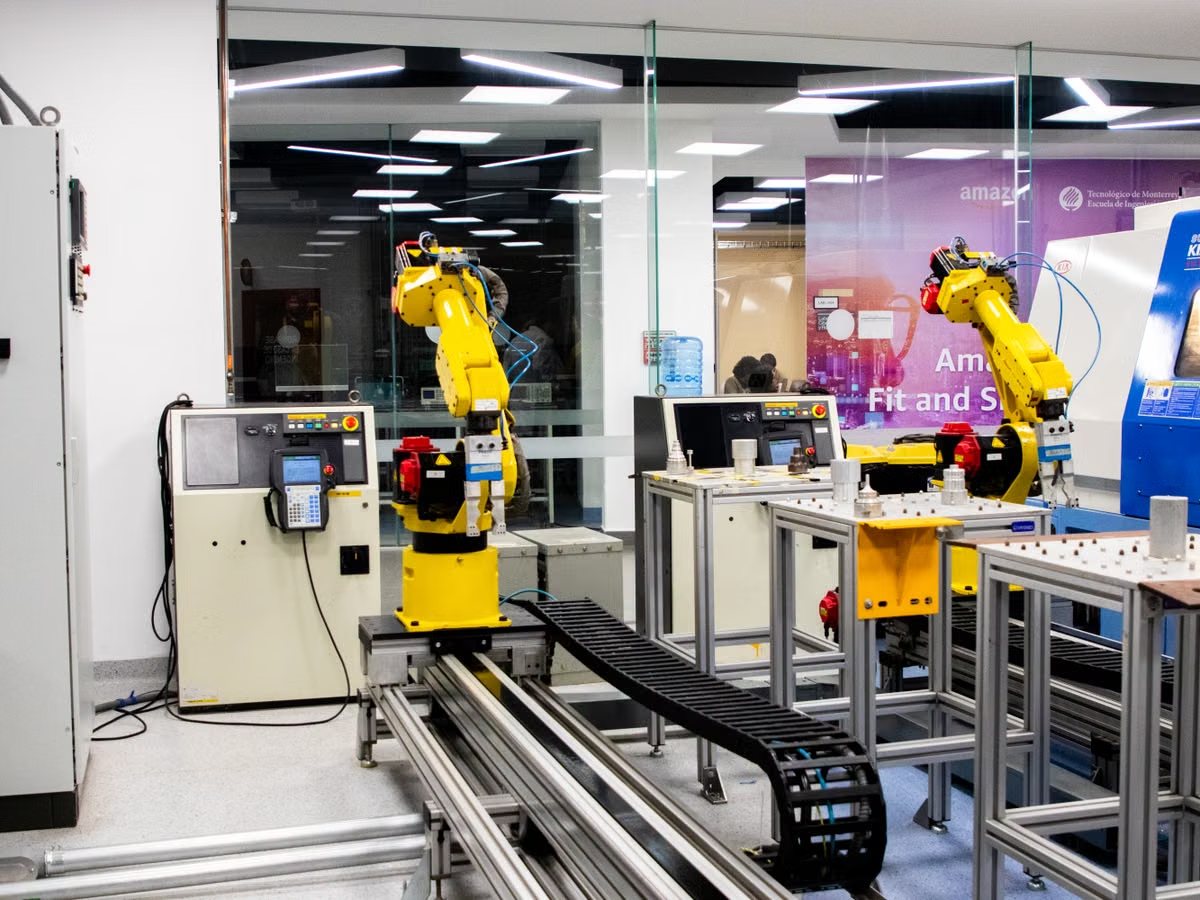
Machine vision engineers, integrators, and plant equipment leads can use this guide to choose between a dedicated vision controller and an industrial PC. It compares inspection needs, PLC integration, maintenance, and pilot acceptance so you can make the decision against your own line conditions.
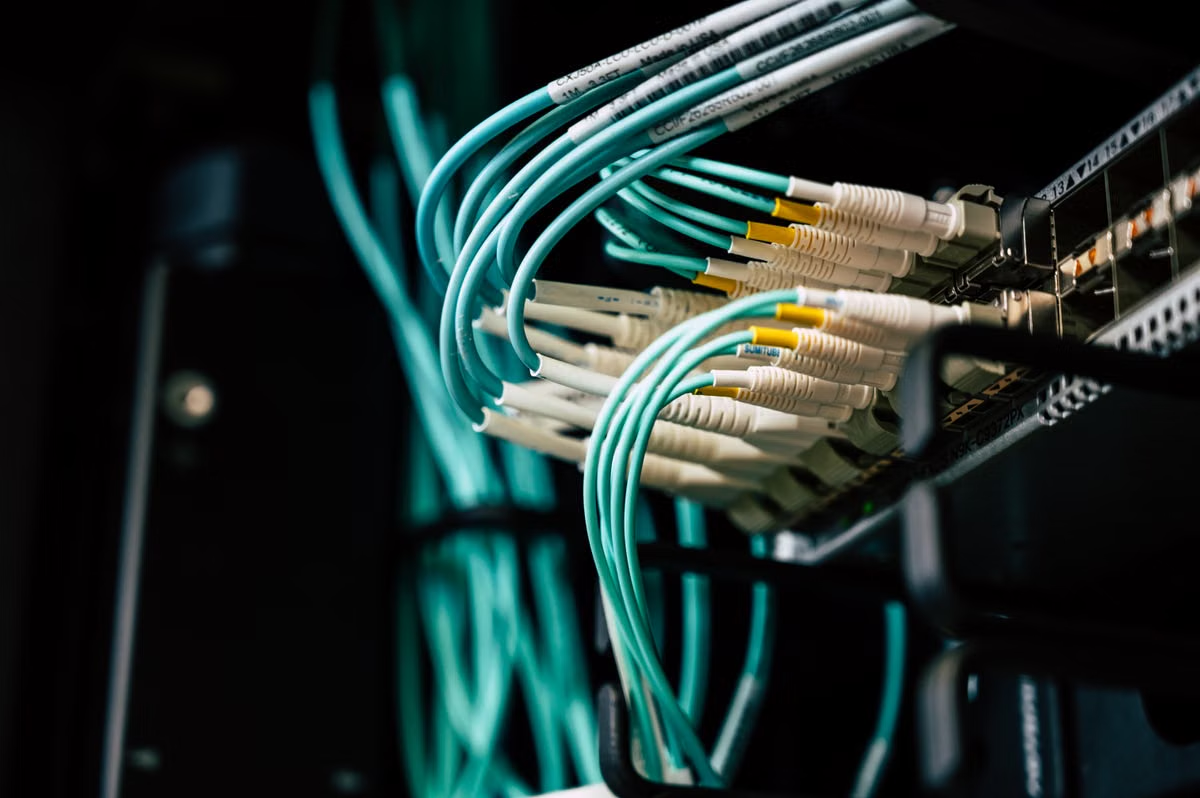
If SSH keeps dropping over Starlink, identify whether the session was reset or the connection merely stalled before changing settings. This guide walks you through link, router, VPN, client, and server checks, then helps you decide when to use a backup network or a recoverable remote-work setup.
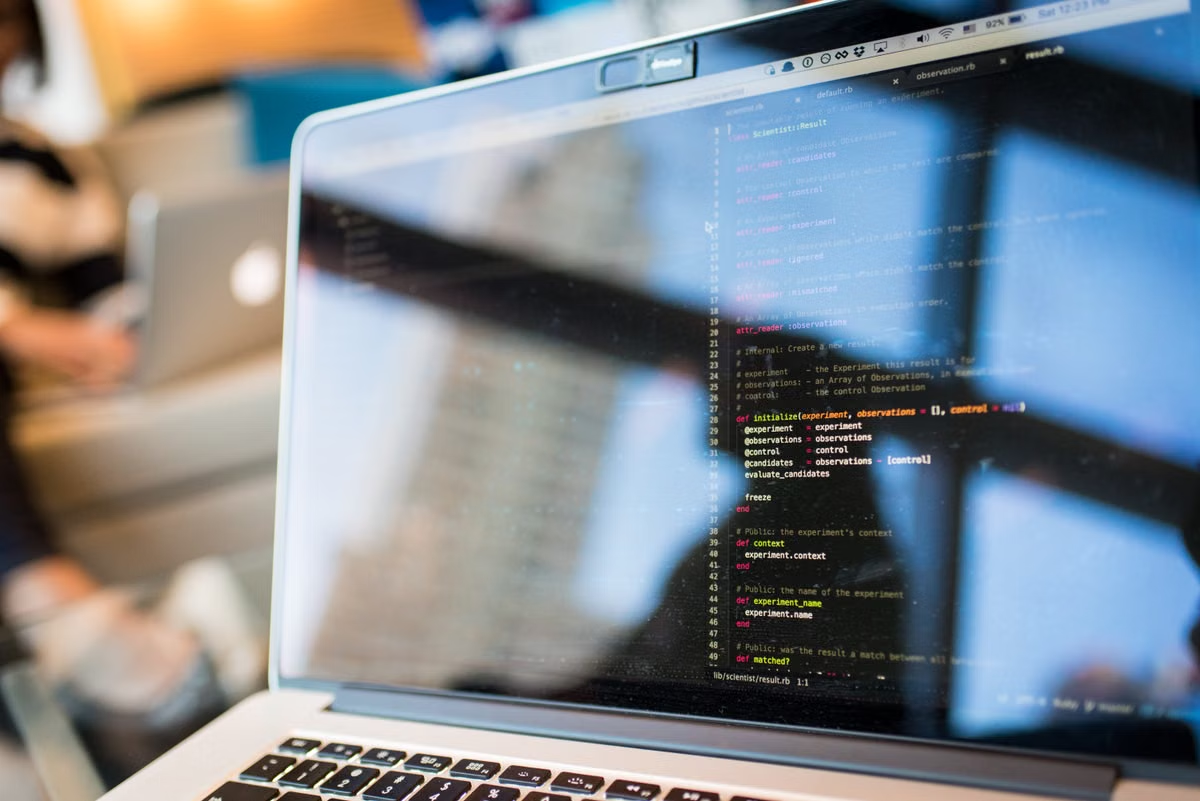
For engineers deciding whether NVIDIA OpenShell fits an existing agent project, this guide explains its components and the limits of sandbox controls. It walks through deployment preparation, file and network policy checks, credential boundaries, and a repeatable security acceptance process.
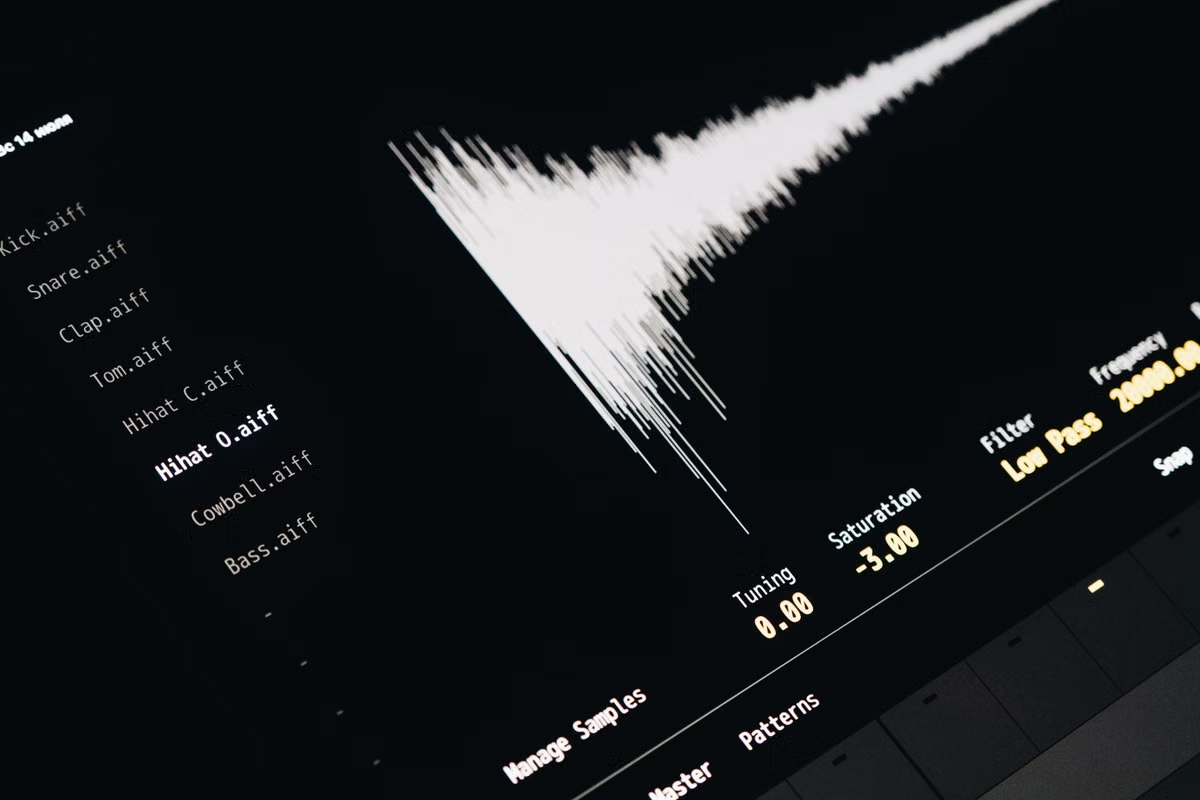
If you plan to use VoiceStudio in a product or content workflow, confirm each layer of permission separately: software, model, voice material, and the person being cloned. This guide organizes those checks by project stage and gives you decision branches and a recordkeeping format for launch review.
If you are deciding whether to use Laya for classification, routing, scoring, or another structured decision, first check that the possible outcomes and success criteria are explicit. This guide compares decision output with free-form LLM generation, then gives you a fair latency test plan and evaluation criteria for deciding whether to use one approach or combine both.
If you study the course lesson by lesson without a project target, it’s easy to spend time on topics you don’t yet need. This guide turns the official course phases into a project-led path, with checkpoints for foundations, implementation, testing, and portfolio evidence.
If you are debugging alone and need to watch the browser, start with local execution. This guide compares local and cloud environments across debugging, continuity, isolation, security, and cost, then gives you a controlled validation process before migration.
Technology leads, IT administrators, and security teams can use this guide to turn Claude's enterprise rollout discussion into a testable governance plan. It covers identity, tool access, data retention, spending, and audit evidence, with a checklist for deciding whether to expand, adjust, or pause a pilot.
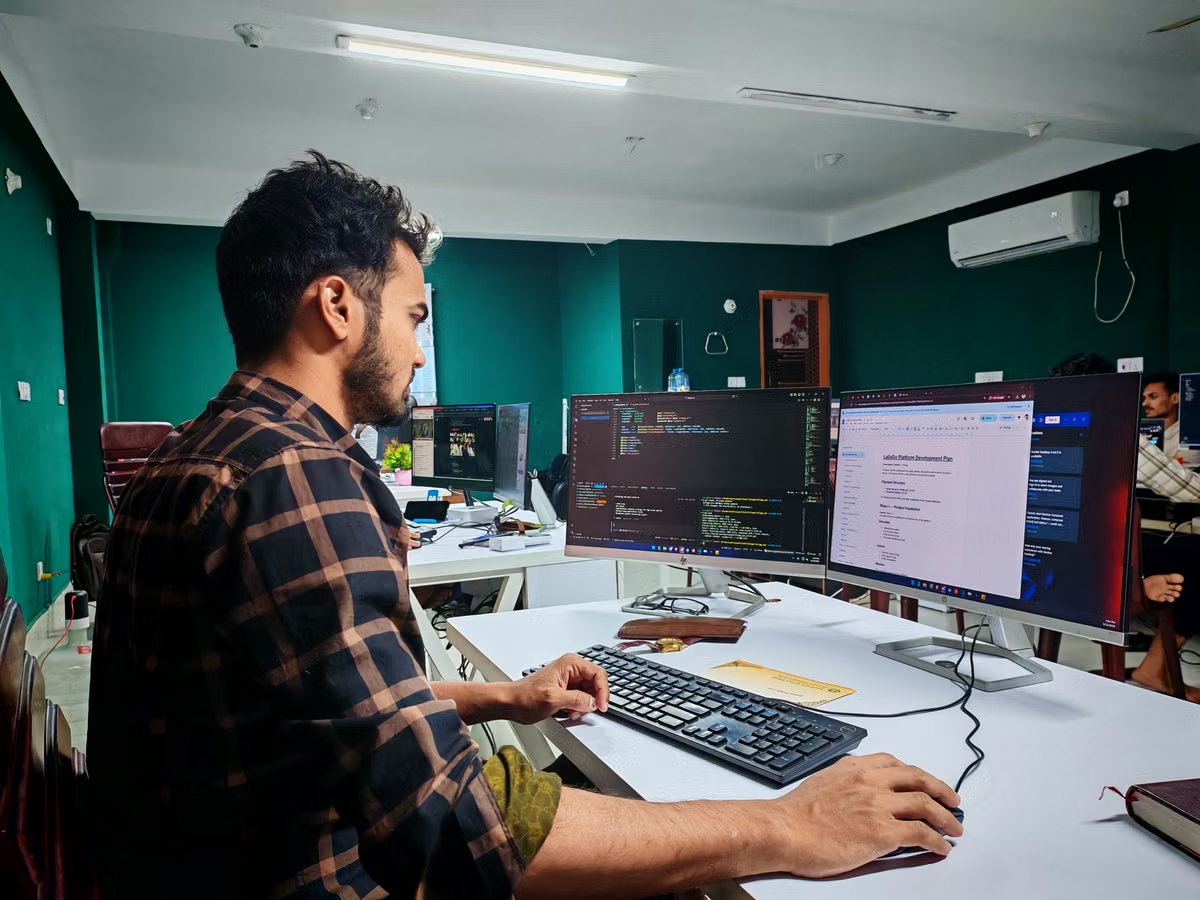
This guide shows individual developers, small teams, and platform administrators how to prove that shared project memory works instead of trusting a visible project name or chat history. You will test memory scope, rule updates, agent isolation, Git state, permissions, secrets, and cloud session recovery.
This guide helps developers, platform engineers, and technical leads decide whether OpenAI Hosted Sandboxes can support a real Agent workflow. It follows the deployment timeline from scope review to first execution, staged rollout, observability, and the decision to remain hosted or move to a private sandbox, VPC, or cloud Mac environment.

This guide shows security engineers and DevSecOps teams how to evaluate, install, and run security-audit-skill against a controlled codebase. It focuses on trigger failures, audit coverage, false-positive handling, sandbox permissions, structured findings, and human review.

After DevDay 2026, split OpenAI, Claude, and Gemini into list price, latency knobs, and agent runtimes—then pick an API by task.

Line up VMs, Wine, and ARM, then see where kernel drivers and anti-cheat stop you—don't treat “it launched” as every Windows app running.
Map the release window, where touch lands, price references, and spec rumors before you wait on the same calendar as the entry chip refresh.
Map the Oct 16 pre-order window, US and China list prices, fold trade-offs, and the gap versus iPhone 18 Pro Max before you tap buy.
Public benches plus one repo ticket: GPT-6 Astra’s speed, tokens, cost in Codex, and how often a real project is merge-ready.

Skip conflicting leaderboards. Compare Astra and Fable 5.1 on one project and one acceptance checklist.

Put subscriptions, tokens, API, and an always-on machine on one bill, then estimate September 2026 monthly cost for Claude Code, Codex, Gemini, and Cursor.

Put September 2026 public benchmarks, context, MCP, subagents, sandboxes, and token prices on one table so you pick an agent by task — not by a single score.
Three ceilings, token-based burn, Pro/Max multipliers, and when Usage Credits beat an upgrade — so you are not blocked mid-refactor.

16GB reduced bandwidth / 24GB full-speed sweet spot / 32GB headroom / US upcharges / how to pick for dev and local AI

M6 chip status / release evidence / spec & price rumors / M5 high-end split / developer buying guide

Siri AI overview / feature list / Spotlight & app usage / hardware & region requirements / developer & IT checklist
This guide explains which Apple Silicon Mac families and MacBook Neo models can install macOS 27, while Intel Macs are excluded. You will also find a model-checking method, an IT inventory workflow, Apple Intelligence requirements, and a migration checklist for unsupported devices.
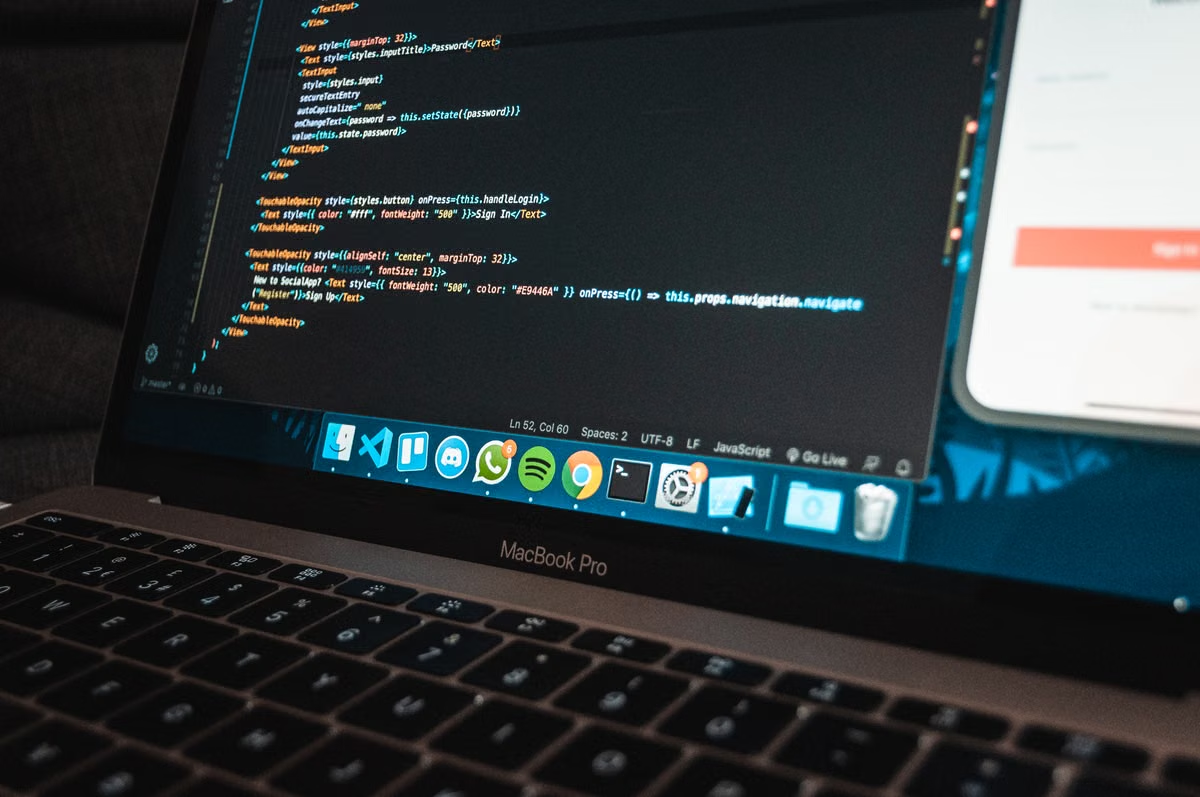
This guide helps technical leads judge M6 reports against real workloads instead of chip-generation labels. It compares compile, media, local AI and team capacity decisions, then gives a staged expansion plan for teams that cannot wait for official M6 data.

You need a reliable development host, but reports about the M6 Mac mini make a purchase decision harder. This guide checks Apple’s confirmed product status, grades M6 and M5 Pro testing reports, and compares buying an M4 Mac mini, waiting, or adding a temporary remote node.

This guide explains what the 2026 OpenAI GPT API update means for new Agent projects, existing Function Calling integrations, long-running workloads, and multi-model platforms. You will get a migration decision framework, operational safeguards, and a validation checklist.
A troubleshooting guide for developers and operations teams debugging AI Agent tool calls. It separates model generation, application execution, protocol transport, state correlation, and business validation so you can identify the failing layer instead of repeatedly tightening JSON fields.

JSON Mode vs Structured Outputs: use json_schema and strict: true so GPT returns schema-valid JSON, plus a checklist for required fields, additionalProperties, refusals, and SDK parsing.
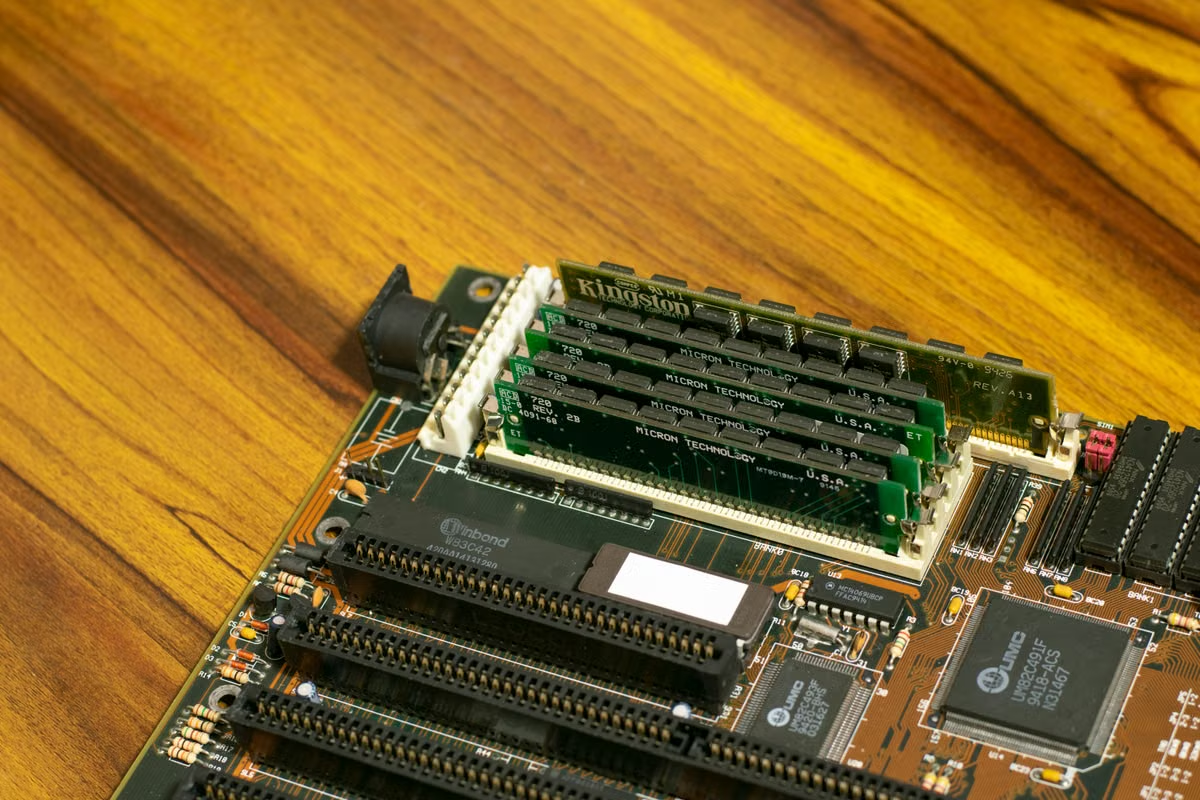
This guide follows one load instruction from a program-generated virtual address to a physical address, cache lookup, memory controller, and DRAM location. You will also learn how to separate translation misses, cache misses, page faults, and platform-specific DRAM address mapping.
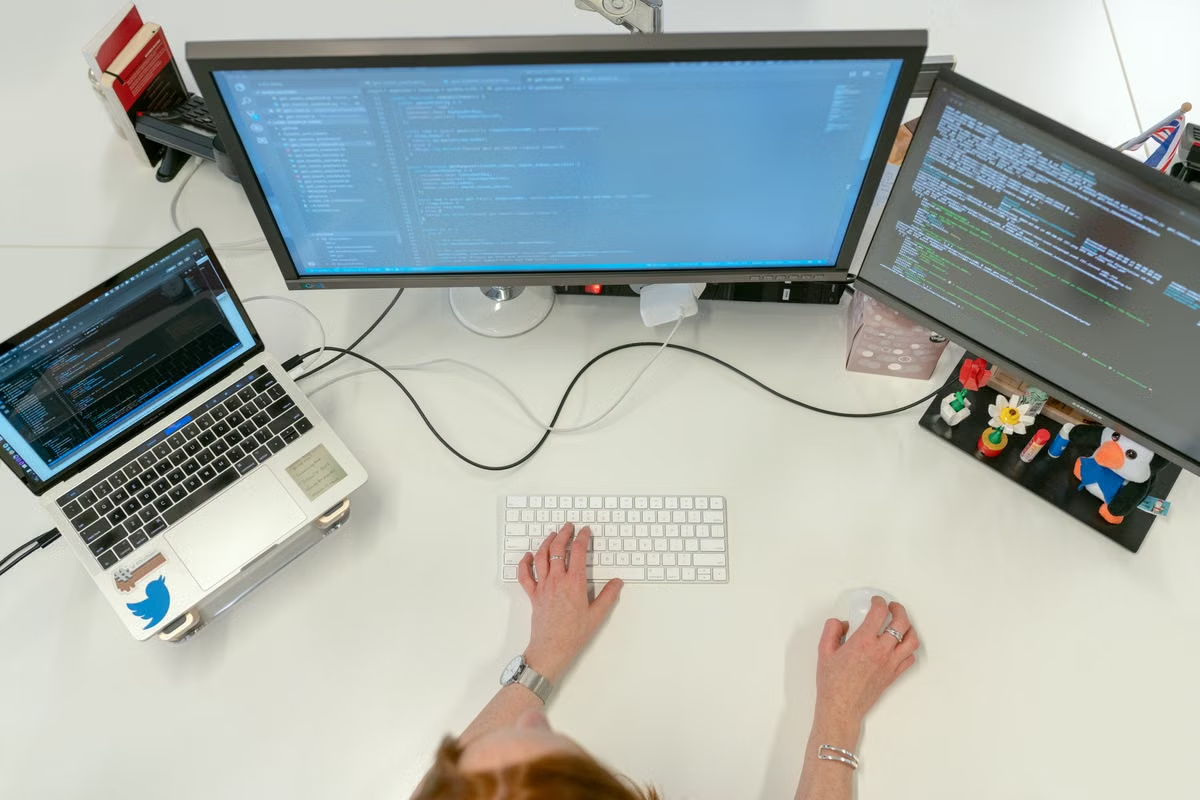
You will learn where Orca fits in an AI coding workflow and why it should be treated as an orchestration environment rather than a standalone coding model. The guide covers Git worktree isolation, competing agents, Claude Code and Codex management, remote execution, mobile monitoring, and merge controls.
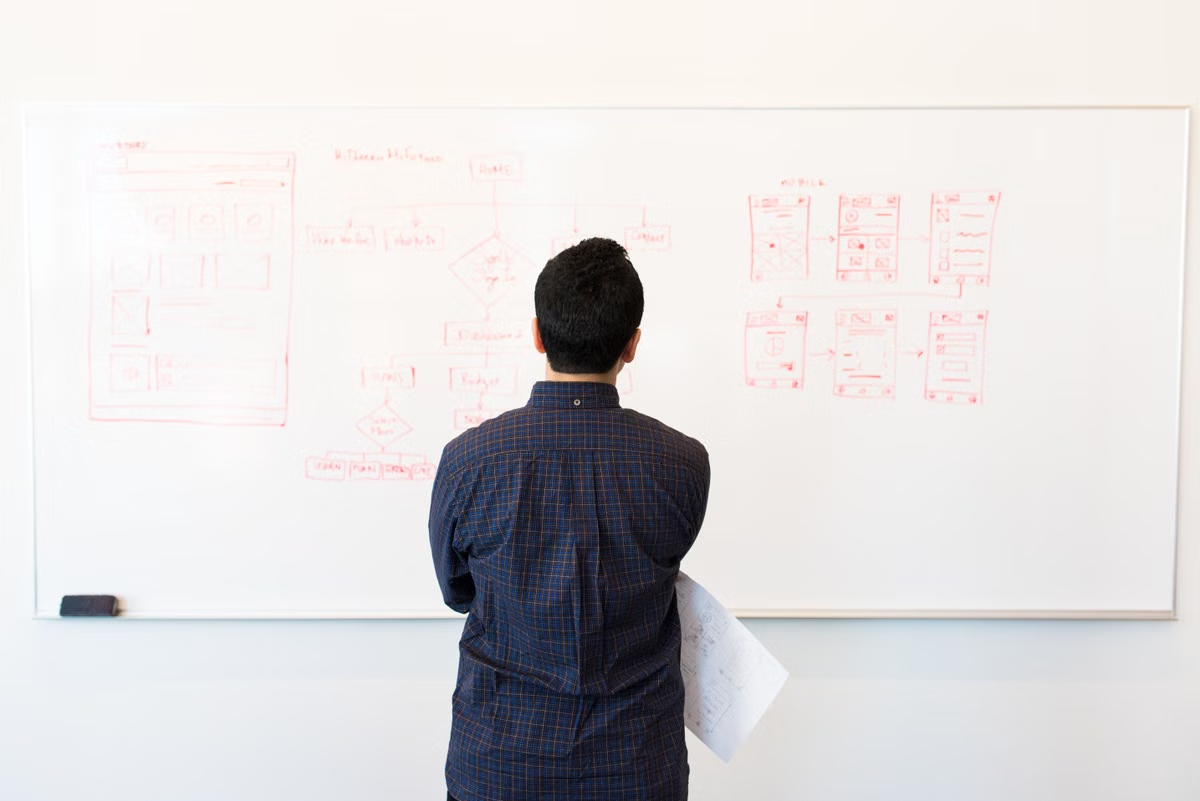
diagram-design is a Claude Code Agent Skill for producing reusable technical diagrams as self-contained HTML with inline SVG. This guide explains its supported use cases, installation logic, branding workflow, export path, limitations, and fit against Mermaid and Excalidraw.
Multiple AI agents do not automatically make development faster. This guide gives you a timeline-based operating model: map dependencies, define task contracts, create isolated workspaces, run independent work in parallel, enforce automated acceptance gates, and merge changes in dependency order.
This ranking helps AI engineers and architects shortlist open-source Multi-Agent Frameworks for prototypes, production workflows, research, and enterprise governance. It compares orchestration models, state recovery, deployment requirements, observability, licensing, and long-term maintenance risk.

You need a Vector Database first when semantic retrieval and a fast RAG proof of concept matter most. Choose a Knowledge Graph when entity relationships, multi-hop reasoning, or audit trails are central. This guide compares both across retrieval, data modeling, updates, explainability, permissions, performance, and operating cost, then gives conditions for using them together.
If your AI Agent only answers questions from documents, start with RAG. If it must remember users, tasks, preferences, and prior decisions, add Agent Memory. This guide compares both architectures across data, writing, recall, governance, and operations, then gives clear single-track and dual-track deployment rules.
Claude Code is a terminal coding agent with built-in computer-use MCP; OpenAI Computer Use is an API-level GUI control primitive; Computer projects are the open MCP ecosystem — same problem, different layers.

From SKILL.md structure to 120+ ready-made templates — everything you need to write effective Claude Code / Cursor Agent Skills in 2026.

Ten trending AI open source projects for 2026: Docling, Marker, Mem0, AirLLM, and more — covering PDF parsing, agent memory, 70B on 4GB VRAM, and local deployment choices.

Docling, Marker, MinerU, Mem0, Zep, AirLLM, LangGraph, CrewAI, Ollama, LiteLLM — ten 2026 open source picks across PDF parsing, agent memory, 4GB 70B inference, and local deployment, with stack combos and cloud Mac tips.

A 4GB GPU sounds too small for Llama 3.1 70B — until AirLLM loads one Transformer layer at a time. We benchmark VRAM peaks, disk needs, and inference speed, then compare against cloud Mac and API options.
Cursor Pro at $20/month isn't your only option. We compare 10 cost-effective AI coding tools for 2026 — free open-source to budget subscriptions — and recommend the right fit for your workflow.

AI Agents are moving from demos to production. This guide lays out a four-phase 2026 learning path — from LLM basics to multi-agent orchestration — with book picks, DeepLearning.AI courses, and open-source repos worth studying in depth.
A rollback button can restore a previous deployment artifact without restoring your whole business state. This checklist helps AI SaaS teams validate OpenShip rollback across code, configuration, database migrations, traffic, long-lived connections, and background jobs before approving a production release.
A team copied one administrator key into every coding client, then could not identify which member caused abnormal traffic. This guide shows you a safer rollout: one continuously available OmniRoute gateway, separate restricted credentials, staged client setup, and explicit fallback and rollback tests. It covers CLI clients, editor integrations, remote access, permission boundaries, and first-week operations.
This guide compares the official 2026 API rates for Kimi K3 and GPT-5.5. You will see how input and output ratios, context caching, retries, batch processing, and migration work affect the cost of a successful task.

Is Cursor Pro worth $20/month? This guide breaks down real monthly costs, hidden fees, and alternatives for students, full-time engineers, Agent power users, and teams — so you know when to upgrade.

There is no native Xcode for Windows, but iOS development on Windows is entirely feasible. This guide compares cloud Mac, cross-platform frameworks, Xcode Cloud, VMs, and buying a Mac — so you can pick the right path.

An annual budget VPS does not have to sit idle. From memory budgets and lightweight hosting stacks to BBR and zram kernel tuning, this guide shows how to reliably run blogs, reverse proxies, VPNs, and bots on the smallest KVM plans — and when to graduate to more compute.
Developers planning AI applications, agents, and multimodal products must balance model quality against launch timing and migration risk. This guide compares waiting for Gemini 4 with building on Gemini 3.6 Flash, then shows how to create a model-flexible architecture that keeps future migration manageable.
If you want to catch security problems before opening a Pull Request, GitHub Copilot App /security-review gives you an on-demand review of active local changes. This guide explains the prerequisites, review workflow, severity and confidence scoring, remediation loop, tool boundaries, and a repeatable Kvmzen test process.

Notes from moving an iOS project's CI/CD onto cloud Mac mini M4 hosts: a four-stage pipeline, a sample Fastfile, cache benchmarks, and signing troubleshooting.
New posts in progress
Datacenter notes and development write-ups are being prepared and will appear in this list once published. In the meantime, browse the links below to learn about the product and OpenClaw.
No matching articles found.
Customer support
Need technical support or advice on choosing a plan?
If you run into issues using a Mac instance or setting up OpenClaw, check the Help Center first; see the pricing page to order and view rates.
- support@kvmzen.com
- Tickets answered on business days
- Asia-Pacific and US West nodes
The OpenClaw topic has moved to its own column
Deployment paths, multi-channel routing, and Mac node sizing guidance now live on the OpenClaw column page; in-depth tutorials will be published progressively on the blog.
Go to the OpenClaw column