Kvmzen · Blog
Tech in practice
& trending picks
Hands-on notes on cloud Mac development, CI troubleshooting, and agent orchestration; new posts will be published here progressively.
This guide helps developers, platform engineers, and technical leads decide whether OpenAI Hosted Sandboxes can support a real Agent workflow. It follows the deployment timeline from scope review to first execution, staged rollout, observability, and the decision to remain hosted or move to a private sandbox, VPC, or cloud Mac environment.

This guide shows security engineers and DevSecOps teams how to evaluate, install, and run security-audit-skill against a controlled codebase. It focuses on trigger failures, audit coverage, false-positive handling, sandbox permissions, structured findings, and human review.

After DevDay 2026, split OpenAI, Claude, and Gemini into list price, latency knobs, and agent runtimes—then pick an API by task.

Line up VMs, Wine, and ARM, then see where kernel drivers and anti-cheat stop you—don't treat “it launched” as every Windows app running.
Map the release window, where touch lands, price references, and spec rumors before you wait on the same calendar as the entry chip refresh.
Map the Oct 16 pre-order window, US and China list prices, fold trade-offs, and the gap versus iPhone 18 Pro Max before you tap buy.
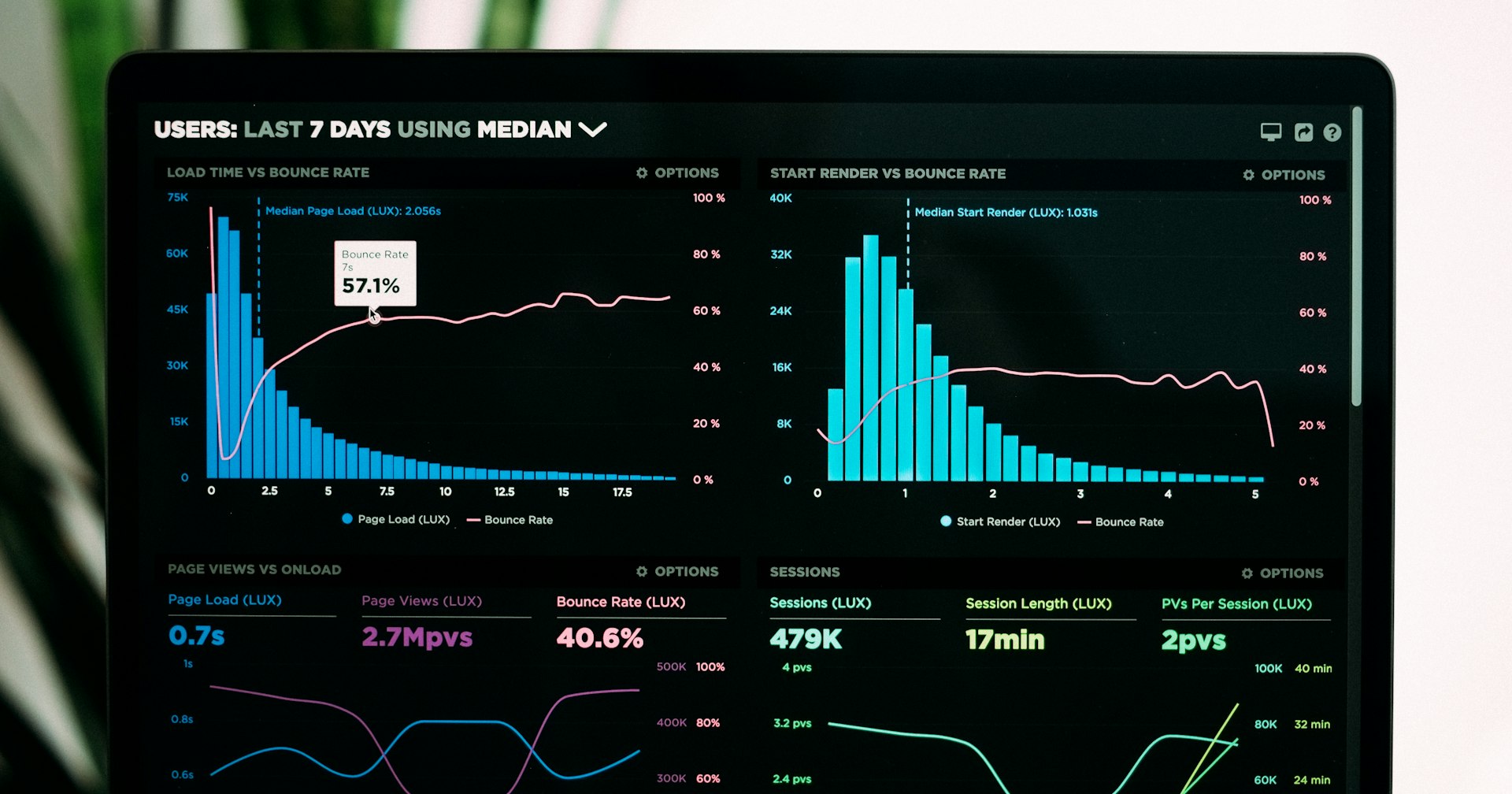
Public benches plus one repo ticket: GPT-6 Astra’s speed, tokens, cost in Codex, and how often a real project is merge-ready.

Skip conflicting leaderboards. Compare Astra and Fable 5.1 on one project and one acceptance checklist.

Put subscriptions, tokens, API, and an always-on machine on one bill, then estimate September 2026 monthly cost for Claude Code, Codex, Gemini, and Cursor.

Put September 2026 public benchmarks, context, MCP, subagents, sandboxes, and token prices on one table so you pick an agent by task — not by a single score.
Three ceilings, token-based burn, Pro/Max multipliers, and when Usage Credits beat an upgrade — so you are not blocked mid-refactor.
16GB reduced bandwidth / 24GB full-speed sweet spot / 32GB headroom / US upcharges / how to pick for dev and local AI
M6 chip status / release evidence / spec & price rumors / M5 high-end split / developer buying guide
Siri AI overview / feature list / Spotlight & app usage / hardware & region requirements / developer & IT checklist
This guide explains which Apple Silicon Mac families and MacBook Neo models can install macOS 27, while Intel Macs are excluded. You will also find a model-checking method, an IT inventory workflow, Apple Intelligence requirements, and a migration checklist for unsupported devices.
This guide helps technical leads judge M6 reports against real workloads instead of chip-generation labels. It compares compile, media, local AI and team capacity decisions, then gives a staged expansion plan for teams that cannot wait for official M6 data.
You need a reliable development host, but reports about the M6 Mac mini make a purchase decision harder. This guide checks Apple’s confirmed product status, grades M6 and M5 Pro testing reports, and compares buying an M4 Mac mini, waiting, or adding a temporary remote node.
This guide explains what the 2026 OpenAI GPT API update means for new Agent projects, existing Function Calling integrations, long-running workloads, and multi-model platforms. You will get a migration decision framework, operational safeguards, and a validation checklist.
A troubleshooting guide for developers and operations teams debugging AI Agent tool calls. It separates model generation, application execution, protocol transport, state correlation, and business validation so you can identify the failing layer instead of repeatedly tightening JSON fields.

JSON Mode vs Structured Outputs: use json_schema and strict: true so GPT returns schema-valid JSON, plus a checklist for required fields, additionalProperties, refusals, and SDK parsing.
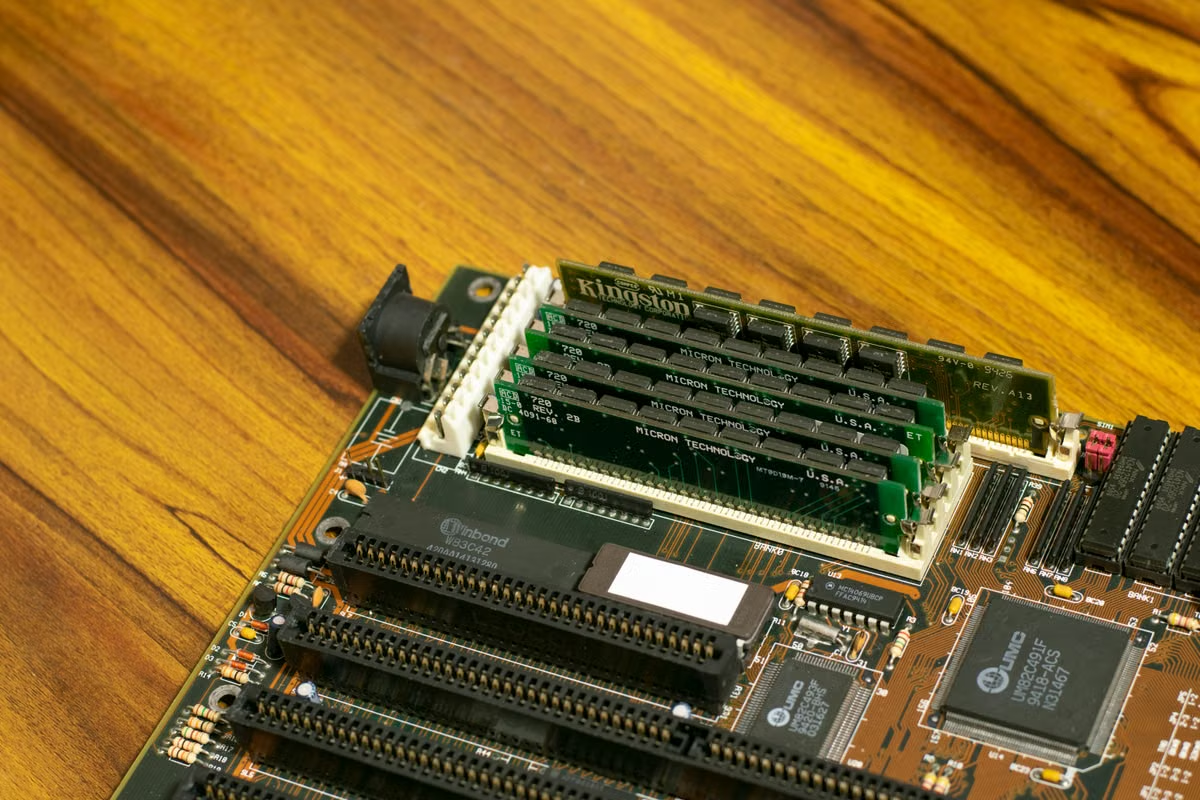
This guide follows one load instruction from a program-generated virtual address to a physical address, cache lookup, memory controller, and DRAM location. You will also learn how to separate translation misses, cache misses, page faults, and platform-specific DRAM address mapping.
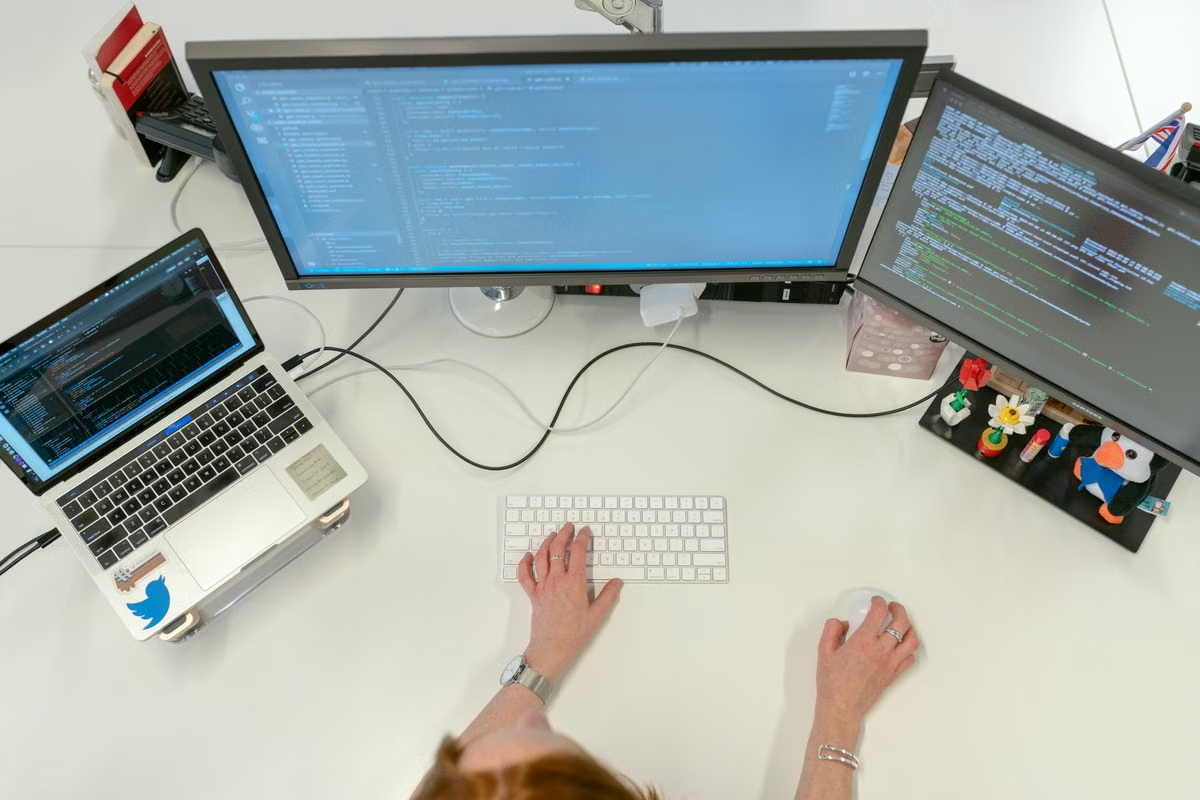
You will learn where Orca fits in an AI coding workflow and why it should be treated as an orchestration environment rather than a standalone coding model. The guide covers Git worktree isolation, competing agents, Claude Code and Codex management, remote execution, mobile monitoring, and merge controls.
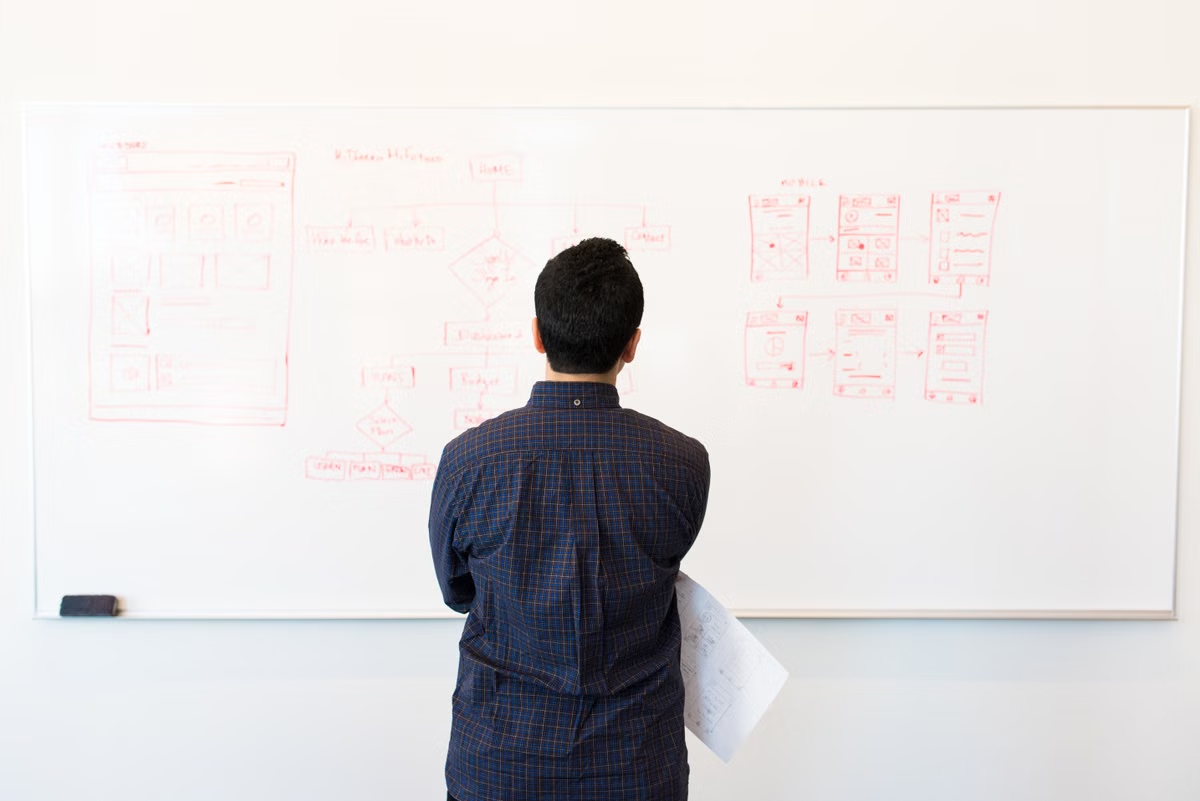
diagram-design is a Claude Code Agent Skill for producing reusable technical diagrams as self-contained HTML with inline SVG. This guide explains its supported use cases, installation logic, branding workflow, export path, limitations, and fit against Mermaid and Excalidraw.
Multiple AI agents do not automatically make development faster. This guide gives you a timeline-based operating model: map dependencies, define task contracts, create isolated workspaces, run independent work in parallel, enforce automated acceptance gates, and merge changes in dependency order.
This ranking helps AI engineers and architects shortlist open-source Multi-Agent Frameworks for prototypes, production workflows, research, and enterprise governance. It compares orchestration models, state recovery, deployment requirements, observability, licensing, and long-term maintenance risk.

You need a Vector Database first when semantic retrieval and a fast RAG proof of concept matter most. Choose a Knowledge Graph when entity relationships, multi-hop reasoning, or audit trails are central. This guide compares both across retrieval, data modeling, updates, explainability, permissions, performance, and operating cost, then gives conditions for using them together.
If your AI Agent only answers questions from documents, start with RAG. If it must remember users, tasks, preferences, and prior decisions, add Agent Memory. This guide compares both architectures across data, writing, recall, governance, and operations, then gives clear single-track and dual-track deployment rules.
Claude Code is a terminal coding agent with built-in computer-use MCP; OpenAI Computer Use is an API-level GUI control primitive; Computer projects are the open MCP ecosystem — same problem, different layers.
From SKILL.md structure to 120+ ready-made templates — everything you need to write effective Claude Code / Cursor Agent Skills in 2026.

Ten trending AI open source projects for 2026: Docling, Marker, Mem0, AirLLM, and more — covering PDF parsing, agent memory, 70B on 4GB VRAM, and local deployment choices.

Docling, Marker, MinerU, Mem0, Zep, AirLLM, LangGraph, CrewAI, Ollama, LiteLLM — ten 2026 open source picks across PDF parsing, agent memory, 4GB 70B inference, and local deployment, with stack combos and cloud Mac tips.

A 4GB GPU sounds too small for Llama 3.1 70B — until AirLLM loads one Transformer layer at a time. We benchmark VRAM peaks, disk needs, and inference speed, then compare against cloud Mac and API options.
Cursor Pro at $20/month isn't your only option. We compare 10 cost-effective AI coding tools for 2026 — free open-source to budget subscriptions — and recommend the right fit for your workflow.

AI Agents are moving from demos to production. This guide lays out a four-phase 2026 learning path — from LLM basics to multi-agent orchestration — with book picks, DeepLearning.AI courses, and open-source repos worth studying in depth.
A rollback button can restore a previous deployment artifact without restoring your whole business state. This checklist helps AI SaaS teams validate OpenShip rollback across code, configuration, database migrations, traffic, long-lived connections, and background jobs before approving a production release.
A team copied one administrator key into every coding client, then could not identify which member caused abnormal traffic. This guide shows you a safer rollout: one continuously available OmniRoute gateway, separate restricted credentials, staged client setup, and explicit fallback and rollback tests. It covers CLI clients, editor integrations, remote access, permission boundaries, and first-week operations.
This guide compares the official 2026 API rates for Kimi K3 and GPT-5.5. You will see how input and output ratios, context caching, retries, batch processing, and migration work affect the cost of a successful task.

Is Cursor Pro worth $20/month? This guide breaks down real monthly costs, hidden fees, and alternatives for students, full-time engineers, Agent power users, and teams — so you know when to upgrade.

There is no native Xcode for Windows, but iOS development on Windows is entirely feasible. This guide compares cloud Mac, cross-platform frameworks, Xcode Cloud, VMs, and buying a Mac — so you can pick the right path.

An annual budget VPS does not have to sit idle. From memory budgets and lightweight hosting stacks to BBR and zram kernel tuning, this guide shows how to reliably run blogs, reverse proxies, VPNs, and bots on the smallest KVM plans — and when to graduate to more compute.
Developers planning AI applications, agents, and multimodal products must balance model quality against launch timing and migration risk. This guide compares waiting for Gemini 4 with building on Gemini 3.6 Flash, then shows how to create a model-flexible architecture that keeps future migration manageable.
If you want to catch security problems before opening a Pull Request, GitHub Copilot App /security-review gives you an on-demand review of active local changes. This guide explains the prerequisites, review workflow, severity and confidence scoring, remediation loop, tool boundaries, and a repeatable Kvmzen test process.

Notes from moving an iOS project's CI/CD onto cloud Mac mini M4 hosts: a four-stage pipeline, a sample Fastfile, cache benchmarks, and signing troubleshooting.
New posts in progress
Datacenter notes and development write-ups are being prepared and will appear in this list once published. In the meantime, browse the links below to learn about the product and OpenClaw.
No matching articles found.
Customer support
Need technical support or advice on choosing a plan?
If you run into issues using a Mac instance or setting up OpenClaw, check the Help Center first; see the pricing page to order and view rates.
- support@kvmzen.com
- Tickets answered on business days
- Asia-Pacific and US West nodes
The OpenClaw topic has moved to its own column
Deployment paths, multi-channel routing, and Mac node sizing guidance now live on the OpenClaw column page; in-depth tutorials will be published progressively on the blog.
Go to the OpenClaw column